

If you prefer to listen, you’ll find an original audio recording here.👆
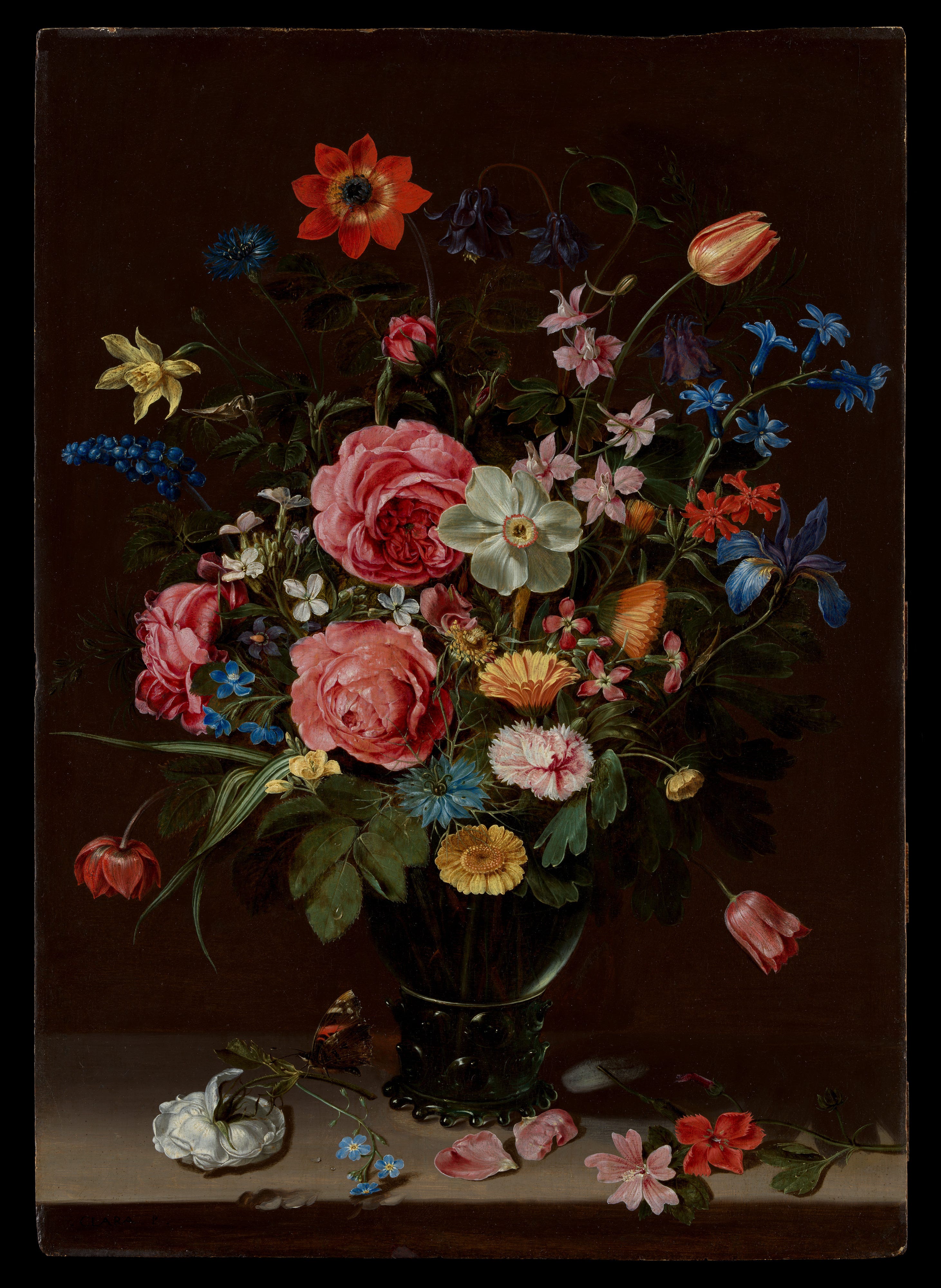

For a little more than a decade I sold specialty produce at a small, rural farmers market. I offered seasonal salad mix before it came in sink-sized plastic tubs at every grocery store. I sold edamame before the fuzzy, salt-covered pods turned up in the freezer section at Walmart. Fava beans, shallots, fresh figs, cut flowers, and the most gorgeous eggs from the happiest chickens, all carefully tended and much anticipated. For a while I believed the farm work was the hardest part.
I was wrong about that; it was certain customers. And it has taken me twenty years to better understand what to do about that.
One Saturday, a woman wearing a fine linen summer ensemble and an “aren’t you quaint” smile asked if I would take a dollar off a five-dollar bouquet, because one stem was broken. I don’t know if I’d had an especially trying week, if the kids had been snot-nosed, the chickens had pasty butts, or an outsized credit card bill had come calling. Whatever the reason, her question rankled like a rooster in a churchyard, so I asked what she did for a living. “I’m a financial planner,” she said.
I inquired, out loud, yes I did, whether she ever discounted her fees. This made her sputter and produce a half-cocked answer about her benevolence. I held firm on the price, and she walked away empty-handed.
I now understand that she wasn’t just a woman haggling over a dollar. She was a specimen, and I had been given a rare, close look at her in her natural habitat. She was operating according to what I have come to call the Inconvenience Principle: When we are inconvenienced, it is an injustice; when someone else is—tough luck. By that logic, any imperfection in the world, however small or unrelated to us, can be turned into a debt owed to whoever noticed it.
She hadn’t broken the stem. I hadn’t broken the stem. It was broken by wind, or an act of God, or the drive from farm to market at sunup, and the swirling cosmos was now in arrears to her by exactly one dollar. Note that she did not take up her problem with the wind or God. Unlike me, neither had a booth at the market.
I’ve come to realize that a grievance with no paperwork is just chaos, so I’ve drafted some forms for today’s market farmers.
When a customer notices an imperfection, she will be handed Form 5-BS: Request for Reparations Due to Minor Inconvenience. She will itemize her psychological distress, estimate her lost opportunity, and attach a recent pay stub so the hourly value of her time can be properly honored. A panel will review the claim. The typical payout will be a coupon for $.37, valid on alternate Saturdays and only if she doesn’t mention it again.
The Inconvenience Principle has corollaries. Another Saturday, a woman’s darling doodle wove itself into a tight space and flattened an entire table of my goods: broken blossoms, far-flung figs, water-soaked, hand-lettered signage. She apologized, and I accepted, then stood there like a fool waiting for something else to happen. But in her accounting, the matter was settled. I was out around $60, and she was out of regret, so in her mind, we were even. The dog had the decency to look embarrassed. He was usually so good, she told me, as though his track record was a line of credit.
When a dog flips a table, the owner will receive a Certificate of Performative Apology, pre-filled with “I’m so sorry.” Beneath that, a line item that reads: “What you would be paying if there were consequences.” The owner will be assessed the cost of the damaged goods plus a modest fee for the assumption that an apology is all that’s needed. Payment is due within 30 days.
At every stall, we can post a price list:
Asking “Is this your best price?”: $2
Mentioning you can get it cheaper at the big store: $5
Tasting all the samples and buying nothing: $15
Peeling back the husks on a dozen ears of corn before buying six: Market price for a dozen.
Noticing a broken flower and saying nothing: $1 off
Offering to pay for damage you or your dog created: Lifetime discount and a small parade
What intrigues me about the Inconvenience Principle is its range of application. It thrives well beyond the farmers market. Consider the driver of the tank-like Suburban who, upon finding the parking spaces drawn for smaller vehicles, concludes that the fault lies with the lines. So he takes up two spots. Consider the man at the return counter with an empty can of paint, because the color looked different on the wall. Or think of the shopper who leaves her cart across the supermarket aisle while comparing yogurt labels, then looks insulted when someone asks to get past.
None of these people is making a big request. They are merely collecting on a small debt owed by a world that perpetually fails to arrange itself for them.
At the far end of the spectrum, the specimen undergoes a metamorphosis. The minor grievance becomes an appetite, and the appetite becomes a right. The creature is no longer merely inconvenienced. It has been handed nearly everything and regards the missing remainder as a personal affront, convinced that whatever someone else has must have been withheld from him.
Given the scope of the issue and reports of increasing populations, I propose the Fund for the Disgruntled, a foundation to ease the daily indignities suffered by anyone who has ever been told to “suck it up buttercup.” It will be financed by a universal grievance levy, with additional assessments for repeat claims, demands to speak to a manager, and appeals filed after an unfavorable ruling. Processing fees will apply at every stage. The Fund’s administrative costs are expected to consume most of its revenue, but this will be regarded as a necessary expense by the people who run it.
I’ll confess, I’m not immune to the Principle. While waiting on the phone for a customer service rep, certain that the world owed me an apology for a shoddy product, I felt it rise in me like a warm bath: righteousness, and a clear sense that someone should be made to fix this. It felt wonderful. There is such pleasure in believing that a minor wrong has revealed something profound about the responsible party, and that we have been chosen to set things right.
I’ve found there’s only one reliable cure, and it comes from an old slogan I like to rework: Better Living Through Lowered Expectations. My blood pressure is grateful.
To the woman in the linen, wherever you are, please accept my formal Certificate of Performative Apology. I’m so sorry you felt inconvenienced by the price of flowers.
For the record, I retired from the farm and the market years ago. This summer I grew potatoes again, and unlike my last attempt, which yielded four, this one produced a dinner or three.
Potatoes have never asked me whether this was my best price. They don’t mind a few blemishes, and they have no opinion about my unpredictable watering. They are either edible or not, and nobody is owed an adjustment, not even for a harvest that fell short of expectations. Small potatoes, as it were.
~Elizabeth

Thank you for reading, or for listening, if you’re someone who believes, as I do, in multitasking. A few things I’m curious about, if you feel like weighing in:
What would you add to the price list? Every vendor I’ve ever known has one they keep in their heads. Let’s give them some new fodder.
And since I confessed to my warm bath of righteousness, I’d love to hear yours. What’s the smallest thing you’ve ever felt the world owed you an apology for? Bonus points if you were right.
The comments are open, and I read them all. If you haven’t already, consider becoming a free or paid subscriber. The space is free for everyone, and if you choose to support the work, you’re joining a generous and thoughtful flock. I’m glad you’re part of it.
In the meantime, may your stems arrive unbroken, and may you be the kind of person who offers to pay for the topple tables.
Afterward:
Entitlement spreads by example, and so does restraint. We can’t do much about the far end of the scale, but we can decide what happens at the checkout, the market stall, and the other end of the customer service line. Little decisions add up to a local culture, and that’s worth defending.
Try this:
This week, or the next time you’re inconvenienced by something, pause for three seconds and ask: who is actually paying for this? If it’s a person, let it go. If you caused the damage, offer to cover it before you’re asked. Lifetime discounts are still pending.
See you soon!
I always think of what I should have said after the fact, but wouldn’t it have been delicious if you had taken the damaged flower out of the bouquet and handed it to her, saying “Here. It’s perfect now.” And then asked for the full price! 😆
Love love love this! I think a bit of privilege is thrown into the mix.
Also, our first potato harvest this year was so sad we decided to try again. We shall see and will let you know.